


Underlayment doesn’t get much attention, but it does a lot of work behind the scenes. It helps protect your roof deck, keeps moisture out, and adds support where your roof covering might fall short. Commercial roofing in Pinellas Park, FL, takes a beating from storms, heat, and humidity, so skipping this layer isn’t worth the risk.
A strong underlayment gives your roof a fighting chance when wind lifts shingles, water starts pooling, or crews walk across it during repairs. It also helps with things like insulation, drainage, and even pest control in ways most people don’t realize. The team at Mitchell Roofing Company builds every roof with that full picture in mind.
Here are the real reasons your commercial roof needs a strong underlayment.
Key Takeaways
- Strong underlayment can be the difference between a quick roof repair and a full-blown disaster after a storm.
- It does more than block water. It supports the roof, protects against heat damage, and withstands pressure from foot traffic and fasteners.
- A solid underlayment can save your building from hidden damage caused by humidity, pests, and poor installation.
Underlayment Stops Wind-Driven Rain From Soaking the Deck
Even the best-installed shingles or tiles can lift in strong winds, creating small openings where rain can seep. Without a strong underlayment, that rain reaches the roof deck, where it soaks into the wood and starts the clock on hidden water damage.
Creates a Pressure Barrier Under Uplifted Shingles
When wind lifts shingles or tiles, it creates negative pressure that can pull moisture into the gaps. High-performance underlayment resists that pressure and acts like a second skin that keeps water out. This barrier helps maintain the roof’s integrity even when the outer layer is compromised.
Reduces Capillary Action Along Fasteners
Water doesn’t always drip in; it can creep along nail and screw paths through a process called capillary action. Quality underlayment is designed to seal tightly around fasteners and limit this hidden form of leakage. This stops moisture from tracking through holes and reaching the vulnerable layers beneath.
Blocks Thermal Cycling Damage From Moisture
Rain that reaches the deck doesn’t just rot wood, it affects how the roof expands and contracts with temperature shifts. This cycle weakens adhesives, breaks bonds, and stresses seams. A strong underlayment prevents water exposure, maintaining the thermal balance and keeping materials intact.
Keeps Insulation Materials From Absorbing Moisture
Once rain hits the deck, it can seep into insulation and ruin its performance. Wet insulation loses R-value, holds heat, and becomes a breeding ground for mold. Underlayment keeps that moisture above the insulation layer where it can’t do damage.
Create a Weather Shield During Delays
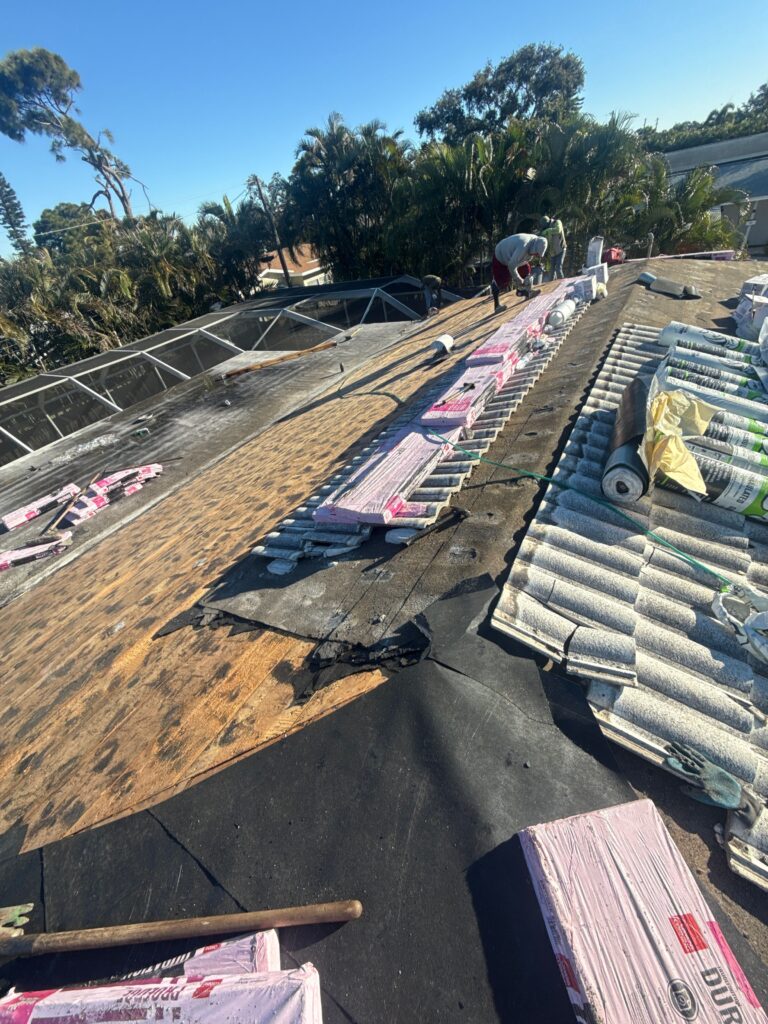
Roofing jobs can be delayed due to weather conditions, scheduling issues, or material shortages. When that happens, the roof deck still needs protection. Underlayment acts like a shield that keeps rain and wind out while the job is on hold.
Crews often lay underlayment first and return later to finish the rest. That gap between steps leaves the building exposed unless the underlayment holds strong. A quality product can handle the elements during that wait without breaking down.
Rain can quickly ruin wood decking if it seeps past the surface. Wind might lift loose materials and push water underneath. Using reinforced underlayment helps avoid those risks during long or unexpected delays.
Stay Covered When Work Gets Delayed
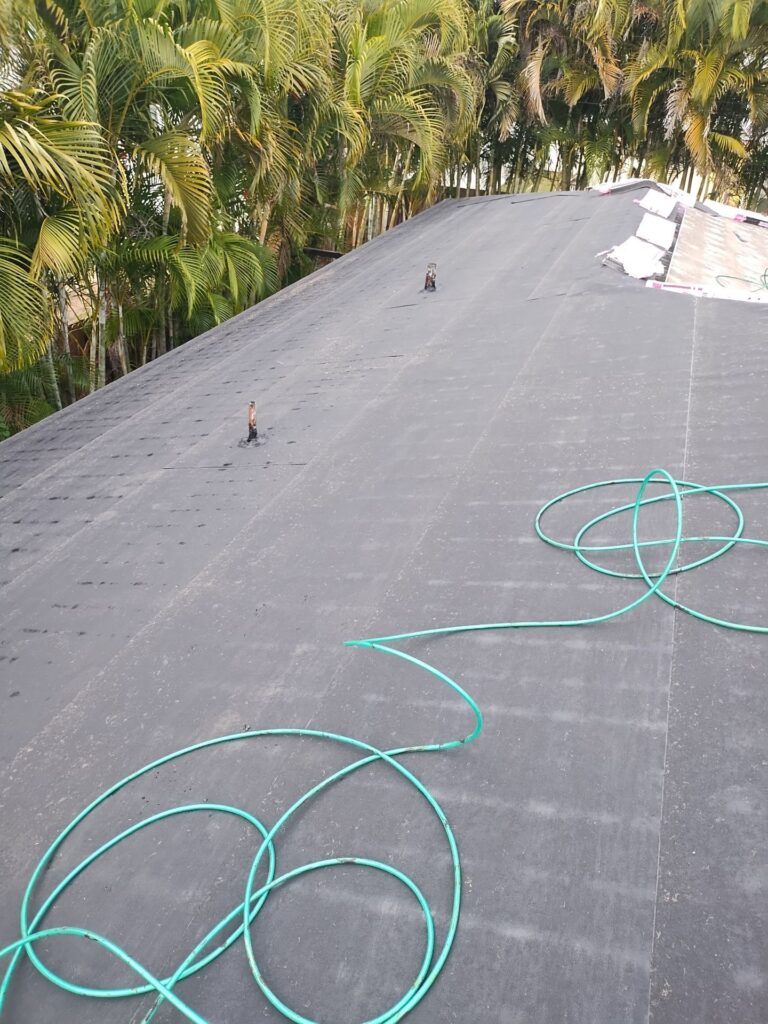
Weather can significantly slow down a roofing job. Crews might prep the surface and then need to stop before the top layer goes on. A strong underlayment keeps everything underneath safe while things are on pause.
Some materials break down if left exposed too long. High-quality underlayment holds up in sun, rain, or wind while the rest of the work waits. That short window can be enough for water to sneak in if the barrier fails.
Commercial roofing in Pinellas Park, FL, often faces sudden storms or heat waves that delay progress. Mitchell Roofing Company uses underlayment that can take that kind of pressure. That choice helps protect your building even when the schedule slips.
Prevents Heat From Warping Roof Decks
Direct sunlight hits the roof deck all day, especially in warmer climates. Wood reacts to that heat and starts to twist, bend, or dry out. These changes weaken the structure and cause problems that spread across the whole roof.
Warped decking can cause fasteners to shift out of place. That movement makes the surface uneven and less secure. Over time, those gaps open the door to leaks and early repairs.
A heat-resistant underlayment helps block that damage before it starts. It lowers the surface temperature and keeps the deck from baking in the sun. That extra layer gives the structure more time to stay strong and stable.
Even small dips or bumps in the deck can affect how the top layer holds. Flat, cool surfaces support better sealing and fewer loose spots. Choosing the right underlayment ensures the deck remains protected and the roof performs as intended.
Reduces Costly Tear-Offs After Storms
Storms hit hard and fast, leaving roofs with missing shingles, torn membranes, or broken tiles. A strong underlayment helps keep the structure intact even after visible damage. That layer often makes the difference between a small patch job and a full tear-off.
Here’s how strong underlayment protects your roof investment during storm recovery:
- Stops moisture from spreading inside the structure: After the top layer fails, water can soak insulation, drywall, and wiring. Underlayment helps contain the damage and buys time before repairs are made.
- Protects the roof deck from secondary damage: Without a barrier, rain can warp the wood and loosen fasteners. A sealed underlayment holds the surface in place and prevents deeper structural issues.
- Maintains roof system integrity for temporary repairs: Crews can patch damaged areas more easily when the underlayment is still holding. This helps avoid full replacement and keeps the rest of the system stable.
- Prevents hidden leaks from draining budgets later: Water trapped beneath loose materials can sit undetected for weeks. Underlayment blocks that seepage before it turns into costly interior damage.
Strong underlayment turns major storm damage into a more manageable fix and helps you avoid full system failure.
Handles Florida Humidity Better
Florida’s heat and humidity create roofing challenges beyond storms. Moisture inside a building rises and gathers beneath the roof. Without a way out, this buildup leads to mold, mildew, and damaged wood.
Many older materials trap moisture under the surface. Breathable synthetic underlayment allows vapor to escape while keeping rainwater out. This helps control hidden moisture before it turns into a bigger problem.
Roof systems in humid areas need more than good shingles. Underlayment supports the whole system by managing moisture from below. Choosing the right product means fewer surprises during inspections or repairs.
Improves Hail Resistance
Hailstorms leave behind more damage than you might see right away. Cracks in shingles or dents in panels let water find its way in. Roofs without extra protection tend to wear out faster after each impact.
Stronger underlayment adds cushion beneath the surface. It helps slow down the damage and keeps the roof deck dry during the first wave. Less water reaching the wood means fewer costly repairs later.
Crews can work more efficiently when the lower layers remain intact after a storm. Patching shingles is easier than fixing soaked decking. Good underlayment helps protect what’s underneath when hail strikes hard.
Why Does a Steep Roof Slope Need Extra Protection?
Steep roofs face more wind pressure, making them more susceptible to damage. Wind pushes harder on these surfaces and can lift shingles or panels. Extra protection helps hold everything in place when the wind gets strong.
Commercial roofing in Pinellas Park, FL often has to deal with both heavy rain and high winds. Water moves off a steep roof fast, but strong gusts pull at edges and seams. A strong underlayment adds support and keeps the lower layers safe if the top layer fails.
Roof systems function more effectively when the base remains secure. Underlayment provides the support that prevents shingles from shifting or tearing easily. This small step can prevent big problems during storms.
Worried about how your steep roof will hold up? Trust Mitchell Roofing Company for strong underlayment and expert installation.
Prevents Delamination in Multi-Layer Roofs
Multi-layer roof systems utilize multiple materials to meet various energy, strength, or code requirements. When moisture slips between those layers, the bond can weaken and cause the roof to separate over time.
Blocks Moisture From Reaching Adhesive Layers
Water between layers breaks down glue and bonding agents. Once those fail, the top layers start to pull away from the base. Underlayment provides a barrier that prevents water from seeping into the bonded sections.
Reduces Stress During Heat Swings
Roofs expand and contract during hot and cool cycles. Moisture trapped between layers makes that movement worse and speeds up layer separation. A quality underlayment helps control that internal moisture and lowers the strain.
Strengthens Problem Areas Around Seams
Layered roofs often separate first at seams, corners, or fastener lines. These points flex more, allowing moisture to access them more easily. Underlayment helps those areas stay sealed and prevents early failure.
Supports More Traffic During Maintenance
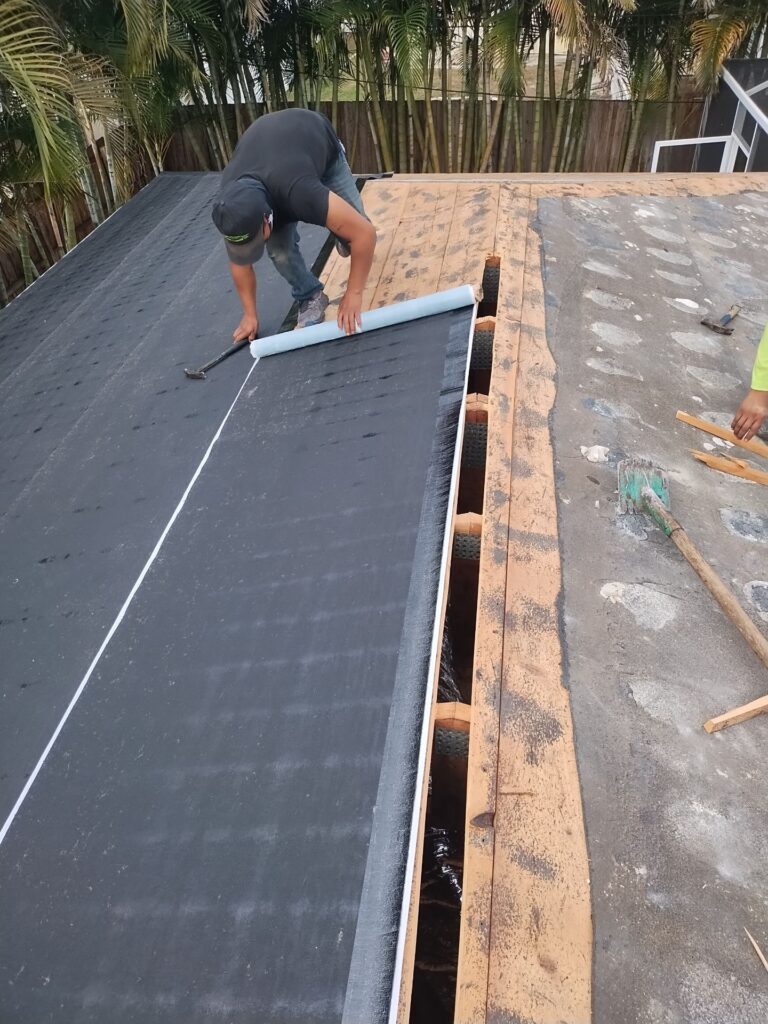
Commercial roofs endure a significant amount of foot traffic during inspections and repairs. Workers move between vents, units, and access points all year long. That movement wears down the surface if the layers underneath are weak.
Soft underlayment can stretch or tear when people walk across it. Areas near seams or fasteners break down faster under pressure. Once those spots weaken, leaks and surface damage become more likely.
Reinforced underlayment helps protect against that kind of wear. It adds support beneath the roof covering and holds firm under steady use. A stronger base keeps the roof in better shape between maintenance calls.
Prevents Staining on Drop Ceilings and Drywall
Small leaks often leave big marks on ceilings and walls. Water travels through layers and shows up as yellow or brown stains. These stains make the space look older and poorly maintained.
Shops, offices, and clinics rely on clean ceilings to make a good impression. Even one leak can leave a visible patch that’s hard to ignore. Drywall and tile soak up moisture fast, which makes the damage worse.
Durable underlayment helps keep that moisture out of the building. It acts as a backup layer that blocks water before it reaches the inside. This extra protection helps maintain a clean and professional space.
Need Help With Your Commercial Roofing in Pinellas Park, FL?
Underlayment does more than people think, and skipping it opens the door to leaks, rot, and expensive repairs. The right materials in the right hands make all the difference. Mitchell Roofing Company builds commercial roofing systems that hold up when it counts.
Frequently Asked Questions
What happens if a commercial roof doesn’t have proper underlayment?
Without strong underlayment, water can reach the roof deck and cause rot, warping, or mold. Even one missing layer can lead to major damage after a storm or long-term exposure.
Can underlayment protect against heat and UV damage?
Yes, quality underlayment helps block heat from reaching the roof deck, which reduces warping and material breakdown. It also protects the layers beneath from UV rays that wear down surfaces over time.
Does underlayment help when the roof gets walked on?
Reinforced underlayment adds support under foot traffic from crews or inspectors. It helps prevent soft spots and keeps the roofing system stable during repairs or maintenance.
How does underlayment help with humidity issues?
In humid environments, moisture can build up beneath the roof. Breathable underlayment allows moisture to escape while keeping rain and outside water out.
Is underlayment useful if the top layer is already waterproof?
Even with waterproof coverings, the top layer can still fail due to damage or poor installation. Underlayment gives you a backup layer that keeps your building dry when the outer layer can’t.