


Fixing your own roof might seem like a smart way to save time and money, but it often does the opposite. Small mistakes can cause bigger leaks, damage the structure, or create long-term issues you may not notice right away. Many homeowners only realize the problem when it’s too late.
Roofers in Safety Harbor, FL, deal with the aftermath of DIY repairs all the time. The team at Mitchell Roofing Company has seen everything from mismatched shingles to severe water damage caused by shortcuts. What starts as a quick fix can quickly turn into expensive repairs and safety risks.
Keep reading to find out which DIY roof repairs cause more harm than good and what professionals do instead.
Key Takeaways
- Some roof repairs seem simple until they trap moisture, block drainage, or mask underlying damage.
- What looks like a missing shingle problem is often just the symptom of a deeper issue most people never see coming.
- Quick fixes with caulk, tarps, or reused materials can quietly wreck your roof long before you realize there’s a leak.
Quick Caulk Fixes Can Trap Moisture
Grabbing a tube of caulk to patch a roof leak might feel like a smart move, but it often makes things worse. When sealant is applied over damp or damaged areas without addressing the root cause, it traps moisture beneath the surface. Over time, that hidden moisture can lead to rot, mold, and structural decay, which are far more expensive to fix.
Why Caulk Creates a False Sense of Security
Caulk may look like it solves the problem, but it rarely holds up under real roof conditions. As temperatures rise and fall, roofs expand and contract, loosening the seal and creating small gaps where water can slip in. Homeowners often believe the issue is resolved, unaware that water is still slowly spreading beneath the surface.
How Professionals Track the Real Source of Leaks
Roofers don’t just fix where water appears. They investigate how water enters, which can be several feet away from the visible stain or drip. By using moisture meters, inspecting underlayment layers, and drawing on system knowledge, they uncover the true cause rather than masking symptoms.
What a Proper Repair Actually Looks Like
Instead of sealing over damage, professionals remove all compromised materials, including soaked decking or deteriorated underlayment. They allow the area to dry fully, then rebuild it using flashing, waterproof membranes, and drainage-aware techniques. This approach prevents future leaks and restores the roof’s long-term performance.
Replacing Shingles Without Checking Decking
Covering up missing shingles might seem like a fast fix, but it can hide bigger problems. Rainwater often seeps below the surface, weakening the wood beneath the shingles. New materials won’t last if the base they sit on is already damaged.
Roof decking needs to be solid before any shingles go back on. Minor signs like soft spots or a spongy feel usually mean water has been there for a while. Roofing crews know to lift more than just the broken section so they can see the full area.
Strong repairs start with knowing the condition of the structure under the surface. A roof may look fine after patching, but hidden damage keeps spreading if left alone. Checking the deck first helps prevent leaks from returning.
Why Is My Roof Still Leaking After I Patched It?
Your roof is still leaking because the spot you sealed is rarely the source of the problem. Water often slips in around vents, worn flashing, or lifted shingles, then travels along beams before it ever shows up inside. Sealing the drip point treats the symptom while the real entry point stays open.
Water can move several feet across the roof structure before you notice a stain on the ceiling. Experienced roofers in Safety Harbor, FL, trace moisture back to its source so the full issue can be repaired. That careful approach prevents repeat leaks and protects the structure underneath.
Tired of patching the same leak over and over? Let Mitchell Roofing Company handle your roofing repairs the right way.
Using Mismatched Shingles Creates Bigger Problems
Grabbing leftover shingles from a different bundle can cause more trouble than you expect. Different brands and materials react to heat and moisture differently. That means one section of your roof may shift or lift while the rest stays in place.
Uneven movement puts stress on the surrounding shingles and fasteners. Small gaps can form where the materials meet, letting wind and rain work their way underneath. Over time, that stress can loosen nails and shorten the life of the repaired area.
Professional roofers take time to find shingles that match in size, weight, and performance. When an exact match is unavailable, they choose products designed to work together under the same conditions. A consistent roofing system helps the entire surface wear evenly and stay secure for years.
Improper Nailing Turns Shingles Into Wind Catchers
Using the wrong nail placement can turn a solid-looking roof into a weak spot during the next storm. Nails that miss the target zone don’t hold the shingles down the way they should. Even light wind can catch the edge and start peeling them up.
Some nails go in too high, while others miss the support layer completely. These small errors create openings for leaks and often void the warranty that came with the materials. Water can slip under loosened shingles and spread before anyone notices.
Experienced roofers in Safety Harbor use the right tools and follow exact guidelines for every nail. Each one is placed with the correct pressure and angle to keep the shingle flat and secure. That careful attention makes the roof stronger and better prepared for changing weather.
Skipping Flashing Replacement Around Chimneys
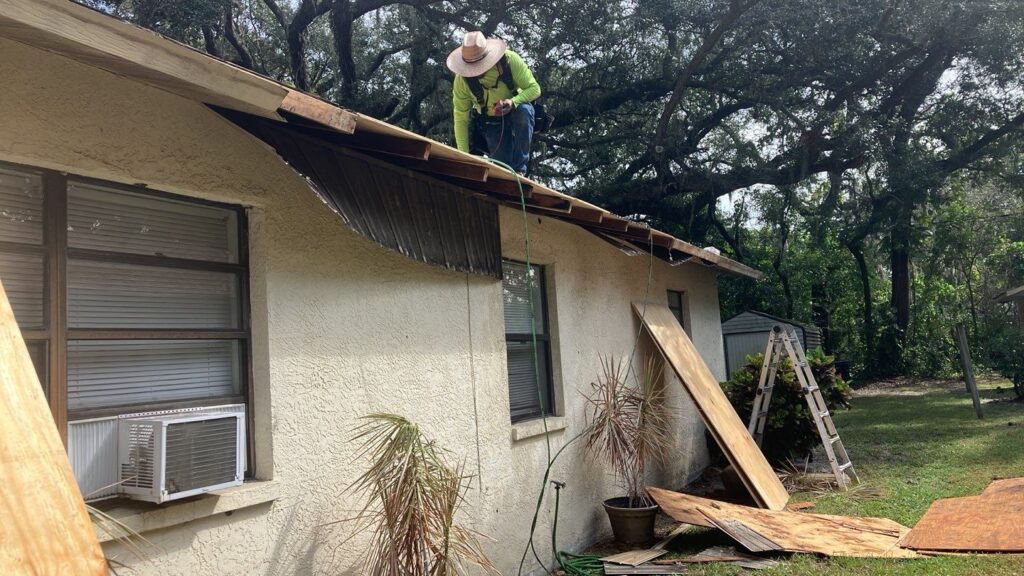
Chimneys are one of the most common sources of roof leaks, yet flashing around them is often overlooked during repairs. Rusted, bent, or pulled loose metal creates narrow openings that direct water straight into the roof system. Surface patching may temporarily slow the drip, but moisture continues to work its way behind the structure.
The difference between a short-term patch and a lasting repair comes down to proper flashing work:
- Complete removal of compromised flashing: Worn metal must be fully removed so new materials can seal against clean, solid surfaces. Leaving small sections behind allows hidden gaps to remain active during heavy rain.
- Inspection of the surrounding decking and framing: Areas around chimneys often conceal soft wood caused by long-term exposure to moisture. Solid structural support is necessary before any new flashing is secured in place.
- Custom-fitting step and counter flashing: Each section is shaped to align tightly with both the roof slope and the chimney walls. This layered design directs water down and away, rather than allowing it to collect along vertical seams.
- Integration beneath shingles and protective barriers: Flashing should be woven into the roofing system so water flows naturally over it. Proper overlap and sealing create a continuous shield against wind-driven rain.
Thorough flashing replacement around chimneys protects the most vulnerable transition point on the roof and helps prevent repeat leaks.
Reroofing Over Mold And Rot
A new layer of shingles can make a roof look solid again, but appearances can hide serious damage underneath. When old roofing materials are left in place over areas saturated with moisture, decay continues to work behind the scenes. The surface may look clean and secure, yet the structure below continues to weaken day after day.
Mold does not stop growing just because it is covered up. Damp wood beneath the shingles slowly breaks down, losing its ability to support nails and withstand storms. As that hidden damage spreads, the lifespan of the entire roofing system shrinks faster than most homeowners expect.
Reliable roofers in Safety Harbor, FL, take a different approach when rot is involved. Mitchell Roofing Company removes compromised sections down to the decking, repairs or replaces affected wood, and rebuilds with dry, stable materials. Starting fresh at the foundation level gives the roof real strength instead of just a cosmetic upgrade.
Tarping as a Long-Term Fix
Blue tarps often show up after a storm, flapping in the wind like a quick promise of protection. While they can block rain for a short time, they are never meant to serve as a lasting solution. Leaving one in place for weeks can quietly create new problems on top of the original damage.
Heat and sunlight break down tarp material faster than most people expect. Trapped moisture underneath has nowhere to escape and can soak into the wood below. Metal grommets and loose fasteners may also pull at the roof surface, causing tears and widening exposed areas.
Professional crews treat tarping as a short window for action rather than a final repair. Secure temporary underlayment and properly anchored coverings offer better protection while a permanent fix is scheduled. Taking that extra step keeps the roof stable and prevents added damage during the waiting period.
Misunderstanding Roof Slope and Water Flow
Roofs are designed to move water with precision, yet many repairs ignore how that system actually works. When the natural flow pattern is disrupted, even a small adjustment can send rainwater into places it was never meant to go.
Valleys Are High-Risk Channels
Roof valleys handle a large volume of runoff during heavy storms. These angled intersections collect and concentrate water, which increases pressure on shingles and underlayment. Improper patching in these areas can narrow the channel and force water sideways under the roofing material.
Slope Changes Create Hidden Pressure Points
Transitions between steep and low-pitched sections change the speed and force of water flow. Faster-moving water from a steep slope can overwhelm a flatter section below if drainage is restricted. Repairs that ignore these pressure shifts often lead to premature wear along seams and edges.
Edge Details Control Final Drainage
Drip edges, gutters, and overhangs play a critical role in safely guiding water off the roof. Small alignment errors can cause runoff to curl back toward fascia boards or siding. Professional roofers evaluate these finishing details to ensure water exits the system cleanly without backing up.
Understanding how water actually travels across a roof helps prevent repairs that create new leaks instead of solving old ones.
Covering Up Vents And Exhausts
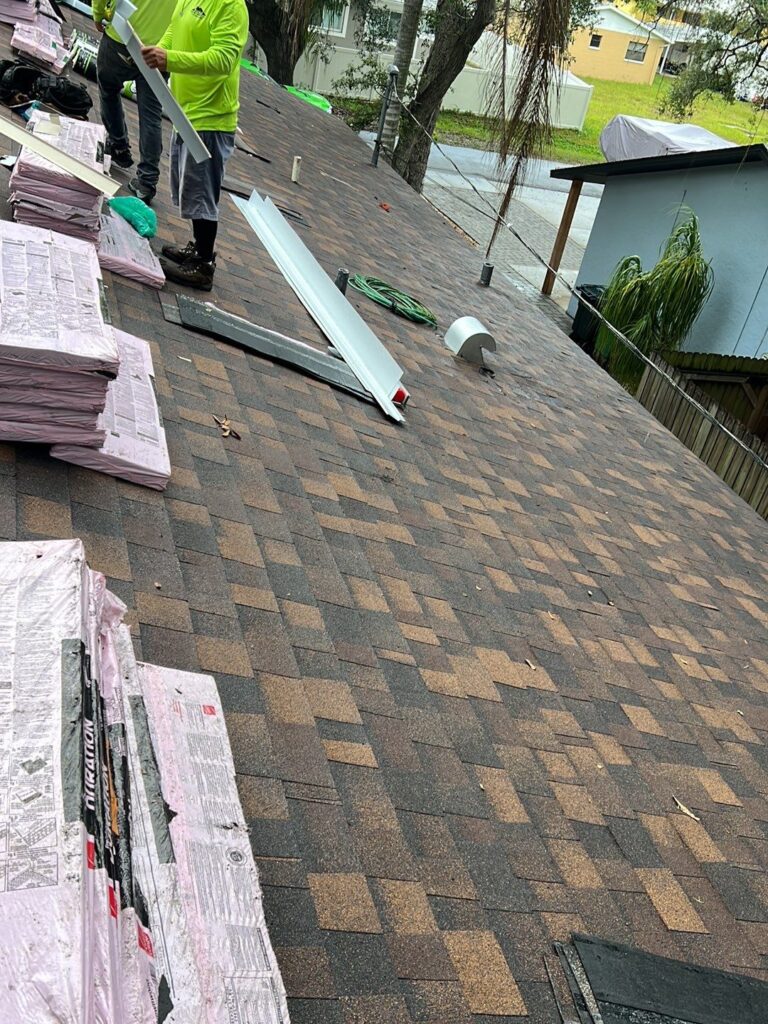
Roof vents may look like weak spots, so some homeowners try to seal them shut when leaks appear. Blocking these openings stops proper airflow in the attic and traps heat and humidity inside. That trapped moisture can lead to mold growth, warped wood, and higher energy bills.
Air circulation plays a key role in keeping a roofing system healthy year-round. Experienced roofers in Safety Harbor, FL, understand how to secure vents with proper flashing while keeping air moving as it should. Mitchell Roofing Company makes sure each vent is sealed against rain without sacrificing the ventilation your home depends on.
Stop Risking Bigger Damage With DIY Roof Repairs
DIY roof repairs often cost more in the long run because they mask deeper problems rather than fixing them. Mitchell Roofing Company sees how small shortcuts can lead to major structural damage, mold growth, and full roof replacements. If you want the job done right the first time, trust experienced professionals who know how to protect your home for the long haul.
Frequently Asked Questions
What happens if I patch a roof leak but don’t find the source?
The leak might stop for a while, but water will likely keep getting in and causing hidden damage. Without finding where the water actually enters, you’re just covering up a growing problem.
Can I use leftover building materials for roof repairs?
Using whatever’s on hand can backfire fast, since most non-roofing materials aren’t designed to withstand sun, wind, and moisture. This often leads to faster breakdown and bigger issues down the road.
Is it safe to repair my roof without professional tools?
Trying to fix your roof with basic tools can lead to poor results and safety risks. Roofing requires specific equipment to install materials correctly and avoid injuries.
How do DIY repairs affect my home’s resale value?
Buyers and inspectors often spot mismatched shingles or unpermitted work and see it as a red flag. DIY roof jobs can lower your home’s value and cause delays during the selling process.
Why do small roof leaks turn into expensive repairs?
Even a small drip can rot wood, grow mold, and ruin insulation before you notice anything inside. By the time you see the damage, it’s often spread beyond just the roof.