
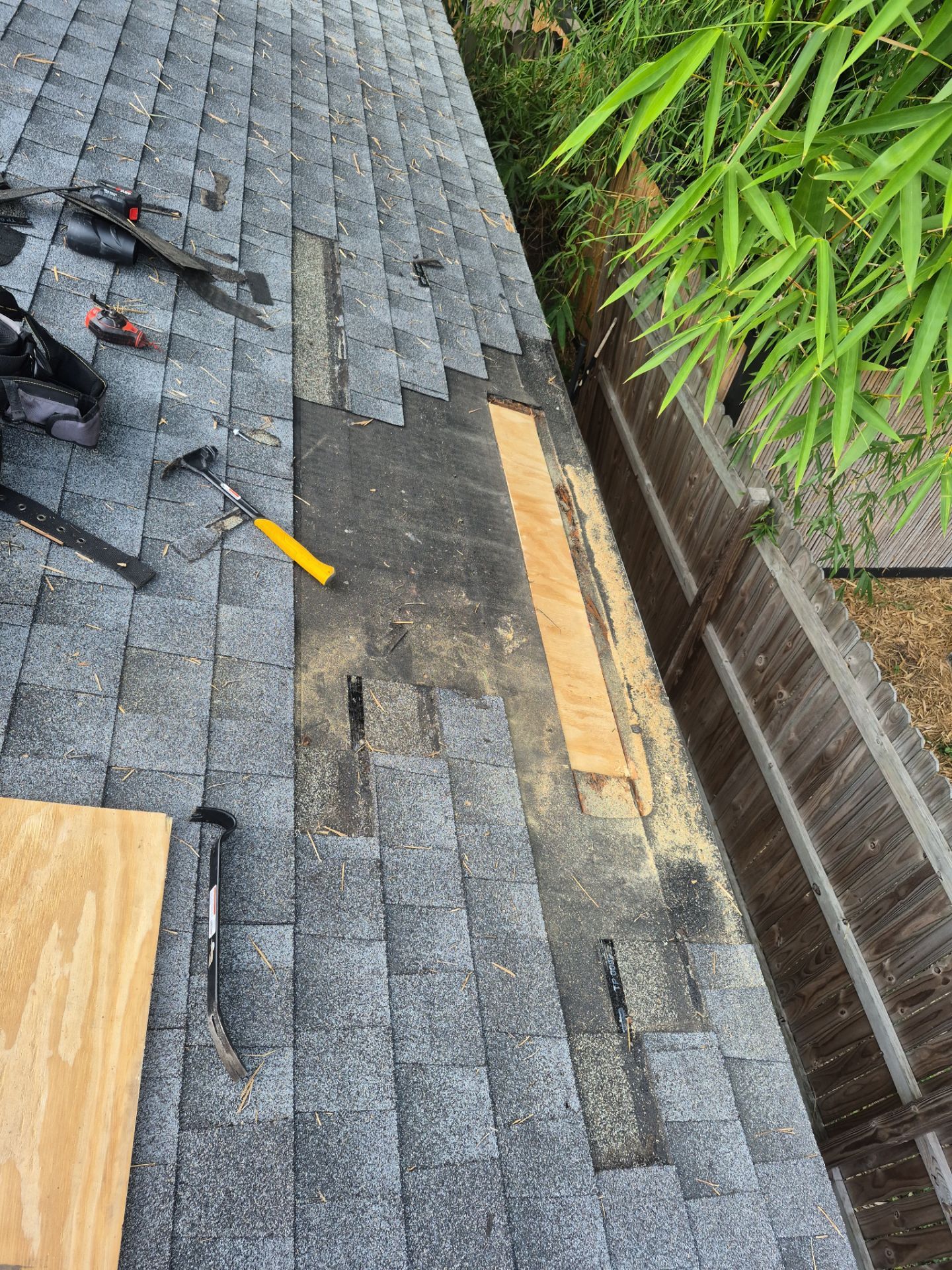
A Gulf Coast storm will not wait for your roof to be ready. It will find loose shingles, weak seals, old repairs, and bad drainage fast. That is why hiring a trusted roofing company in Oldsmar, FL, like Mitchell Roofing Company, is a smart move before storm season gets serious.
Roof prep should not turn into guesswork. You should not have to climb on the roof or hope the view from the yard tells the full story. Mitchell Roofing Company can check the hidden weak spots that often fail first during wind, rain, heat, and salt air.
Here is what experienced roofers look for before the next Gulf Coast storm hits.
Key Takeaways
- A roof can look fine and still have storm weak spots.
- Small roof issues can turn into costly water damage fast.
- A pre-storm roof check can prevent bigger headaches later.
Start With the Roof’s Weakest Entry Points
Storm rain does not need a wide opening to get inside your home. It only needs one weak seal, loose edge, or hidden gap that gives water a path under the roof.
Vent Boots Can Crack Before You Notice
The rubber seal around a roof vent can dry out in Florida heat. Once it cracks, rain can slip around the pipe and reach the decking below. This kind of leak may stay hidden until a hard storm pushes more water into the gap.
Skylight Edges Need a Tight Seal
Skylights add natural light, but they also create a break in the roof surface. If the seal or flashing around the edge wears down, wind-driven rain can seep into the opening. A small leak around a skylight can spread into ceiling stains, soft drywall, or attic moisture.
Roof Joints Can Shift Over Time
Roof joints handle a lot of movement as heat, rain, and wind hit the home year after year. Small shifts can weaken the seal where different roof sections meet. Mitchell Roofing Company can inspect these areas before storm pressure turns a minor gap into a costly water problem.
Find Wind Lift Before Wind Finds It
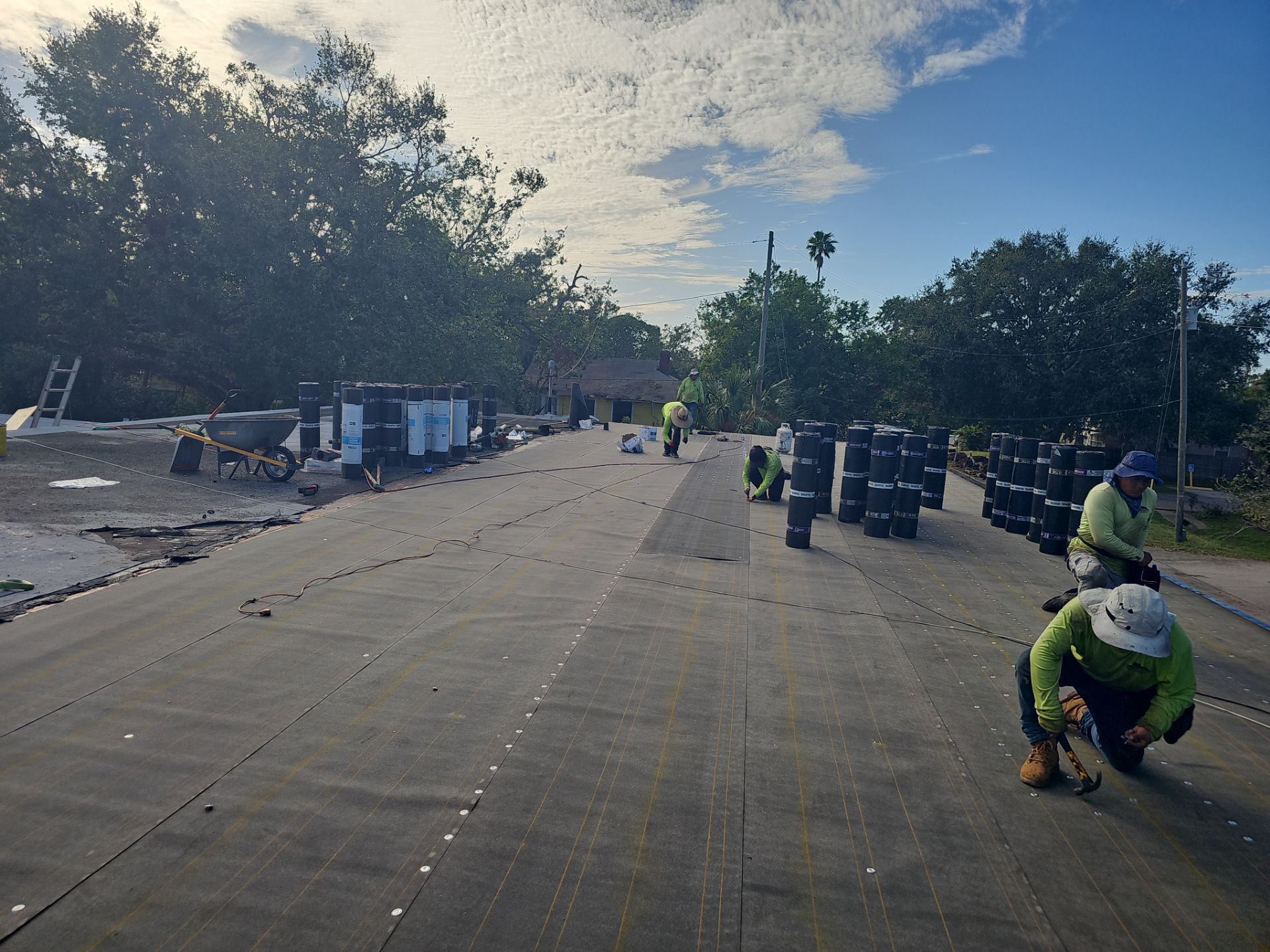
Storm wind looks for anything it can grab. A raised shingle edge, loose tile, or panel that does not sit tight can become the first place it pulls. Once wind gets under that material, the roof can lose protection fast.
Early wind lift is easy to miss from the yard. The roof may still look normal, but small lifted spots can show where past weather has already weakened the surface. A trained roofer can spot those signs before the next Gulf Coast storm makes them worse.
Fixing loose materials ahead of time can help stop damage from spreading across a larger area. A small repair now may prevent water from damaging decking, attic space, and ceilings later. That kind of roof check gives Oldsmar homeowners a better chance to face storm season with fewer surprises.
Make Old Repairs Earn Your Trust Again
An old roof repair can look settled while the seal underneath is wearing out. Sun, rain, and heat can break down patch materials over time. Once storm pressure hits, that old fix may become the first place water gets through.
Past repairs deserve a closer look before Gulf Coast weather gets rough. A skilled roofer can tell if the area is still sealed or if it is covering a deeper problem. That check can help you avoid trusting a weak patch during the worst part of storm season.
Mitchell Roofing Company can inspect older repair spots and explain what they find in plain language. Some areas may only need a small update, while others may need a stronger fix. Getting those answers early can help your Oldsmar home face the next heavy storm with more confidence.
Protect the Roof Edge First
The edge of your roof is where a storm can start working its way in. Gusts hit that outer line hard, then search for anything loose enough to lift. A small gap near the perimeter can give wind a place to pull before the rest of the roof ever shows damage.
That is what makes drip edge, fascia, and starter shingles so important. These parts help lock the roof line down and guide water away from the home. When they weaken, storm rain can slide under the surface and reach places you cannot see from the yard.
A roof check before storm season can show whether the edge is ready for that kind of pressure. Roofers can look for loose trim, soft fascia, weak fasteners, and gaps along the perimeter. Fixing those spots early can help your Oldsmar home face the next Gulf Coast storm with fewer weak points.
Do Gutters Affect Roof Storm Protection?
Gutters can decide where storm rain goes once it leaves your roof. If they clog, sag, or pull loose, water can spill back toward the roofline instead of moving away. That backup can soak fascia, soffits, siding, and lower roof areas.
Poor drainage can make a strong roof work harder than it should. Heavy rain may pool near edges, rush over weak spots, or slip behind loose gutter sections. During a Gulf Coast storm, that extra water can turn a small drainage issue into a roof leak.
Let The Attic Reveal Hidden Trouble
The attic often tells the truth before the rest of the home does. Water may leave quiet signs above the ceiling long before a stain shows up inside. A roof check can use those clues to find weak spots before storm rain makes them worse.
The warning signs below can point to hidden roof trouble:
- Dark Decking: Dark wood can mean water has been slipping through the roof and drying again over time. That kind of stain may show where rain is entering during harder storms.
- Damp Insulation: Wet insulation can hold moisture and lose its ability to protect the home. It can also hide a slow leak that keeps returning after heavy rain.
- Rusted Nails: Rust on roofing nails can point to trapped moisture in the attic. This may happen when small leaks or poor airflow allow damp air to sit too long.
- Light Gaps: Small beams of daylight through the decking can show openings that should not be there. Wind-driven rain can use those same gaps to reach the attic during a Gulf Coast storm.
A careful attic check can help homeowners fix hidden roof problems before they turn into costly water damage.
Account for Coastal Wear and Tear
A Gulf Coast roof takes a quiet beating long before a storm appears on the radar. Salt air can cling to metal parts, while heat and humidity wear down seals, shingles, and flashing. Those small changes can weaken the roof even when everything looks normal from the ground.
Oldsmar homes need roof checks that match the weather near the coast. Mitchell Roofing Company understands how local conditions can loosen fasteners, dry out sealants, and rust exposed metal faster than many homeowners expect. That kind of insight helps spot weak areas before storm season puts them under pressure.
Professional roofers know where coastal wear tends to hide. They can check flashing, vents, roof edges, sealed joints, and other spots that help keep water out. Finding those risks early can help protect your home before Gulf Coast weather turns small wear into bigger damage.
Respect the Underlayment Beneath the Surface
The top layer of your roof gets most of the attention, but it is not the whole story. Underlayment sits below shingles, tiles, or metal panels and helps catch water when the surface layer fails. During a Gulf Coast storm, that hidden layer can be the difference between a scare and a serious leak.
Storm rain can push under lifted shingles, cracked tiles, and loose flashing fast. If the underlayment is worn, torn, or weak, water may move straight toward the roof deck. That can lead to attic moisture, soft wood, and damage that grows before you see it inside.
A roof inspection can help reveal whether this backup layer is still doing its job. Mitchell Roofing Company can help homeowners understand what is protecting the parts they cannot see. Getting that answer before storm season can help you make smarter repair choices.
Use Roof Age to Guide the Next Move
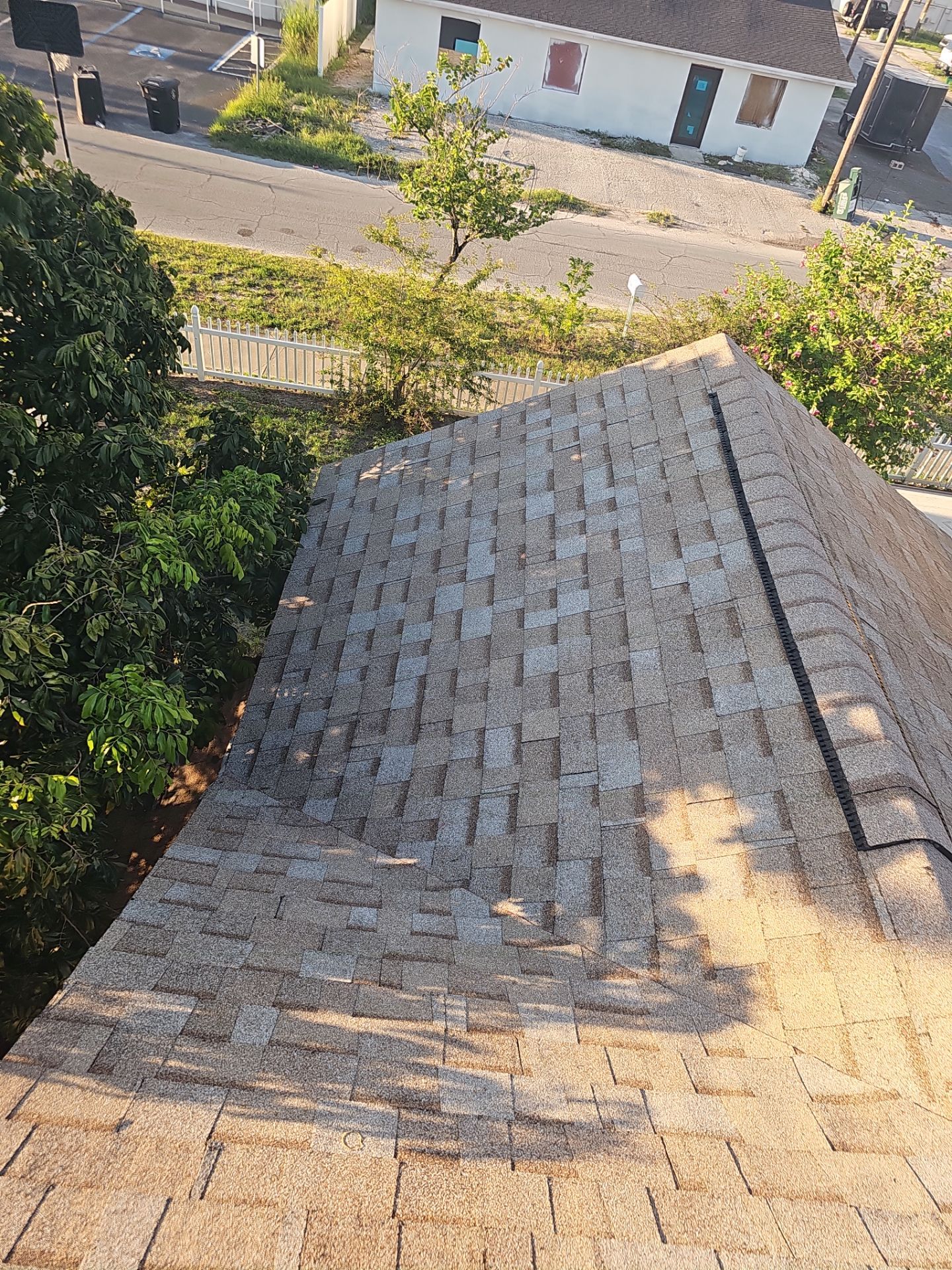
A roof can reach a point where small fixes stop making sense. The materials may still be in place, but age can make them less able to bend, seal, and hold strong during a Gulf Coast storm. That is when homeowners need a clear answer, not another guess.
An older roof should be judged by more than its birthday. Leak history, shingle condition, soft spots, storm wear, and past repairs all help show whether a repair is still worth it. A good inspection can connect those clues and show if the roof has enough life left.
That kind of answer can save money before storm season forces a harder choice. A repair may solve the problem when the roof still has strength left. A replacement may be smarter when old materials are close to failing again.
Reduce Tree-Related Roof Damage Risk
Trees can make a yard feel shaded and calm, but storm wind can turn nearby branches into roof trouble fast. A roof check can show where tree contact has already left marks, stress, or debris before the next round of bad weather moves in.
Scraped Shingles Can Lose Their Protective Surface
Branches that rub the roof can wear away the outer layer of shingles. Once that surface breaks down, rain and sun can accelerate the aging of the shingle. A scraped area may look minor, but it can weaken when storm winds and heavy rain hit.
Cracked Tiles Can Let Water Travel Underneath
Tile roofs can take damage when branches or palm fronds strike the same area over time. A small crack may allow water to seep beneath the tile and reach the layers below. That hidden path can become a bigger leak during a Gulf Coast storm.
Debris-Filled Gutters Can Push Water Backward
Leaves, twigs, and palm debris can clog gutters before a storm even arrives. When rain has nowhere to drain, water can spill toward the roof edge, fascia, and soffits. Clearing that buildup early can help protect the roofline from moisture damage.
Contact Our Roofing Company in Oldsmar, FL
Gulf Coast storms can turn small roof issues into big repairs fast. Mitchell Roofing Company can find weak spots before wind and rain make them worse. Schedule a roof inspection now, so your home is ready before the next storm hits.
Frequently Asked Questions
How do roofers get a roof ready for storm season?
Roofers look for weak spots that can fail during heavy wind and rain. This can include loose roof edges, worn flashing, old repairs, drainage trouble, and hidden attic signs.
Why should a roof be checked before a Gulf Coast storm?
A roof should be checked early because storm damage often starts with small issues. Fixing those problems before bad weather hits can help prevent leaks, water damage, and higher repair costs.
What roof problems get worse during heavy rain?
Heavy rain can make loose flashing, clogged gutters, soft decking, missing shingles, and weak seals worse. These issues can let water move under the roof surface and into the home.
When should I call a roofer before hurricane season?
You should call a roofer before storm season gets busy. This gives you more time to handle repairs before forecasts, material delays, and packed schedules become a problem.
Can an older roof still be safe during a storm?
An older roof may still protect your home if the materials, seals, decking, and drainage are in good shape. A professional roof inspection can show if repairs are enough or if replacement is the safer choice.