
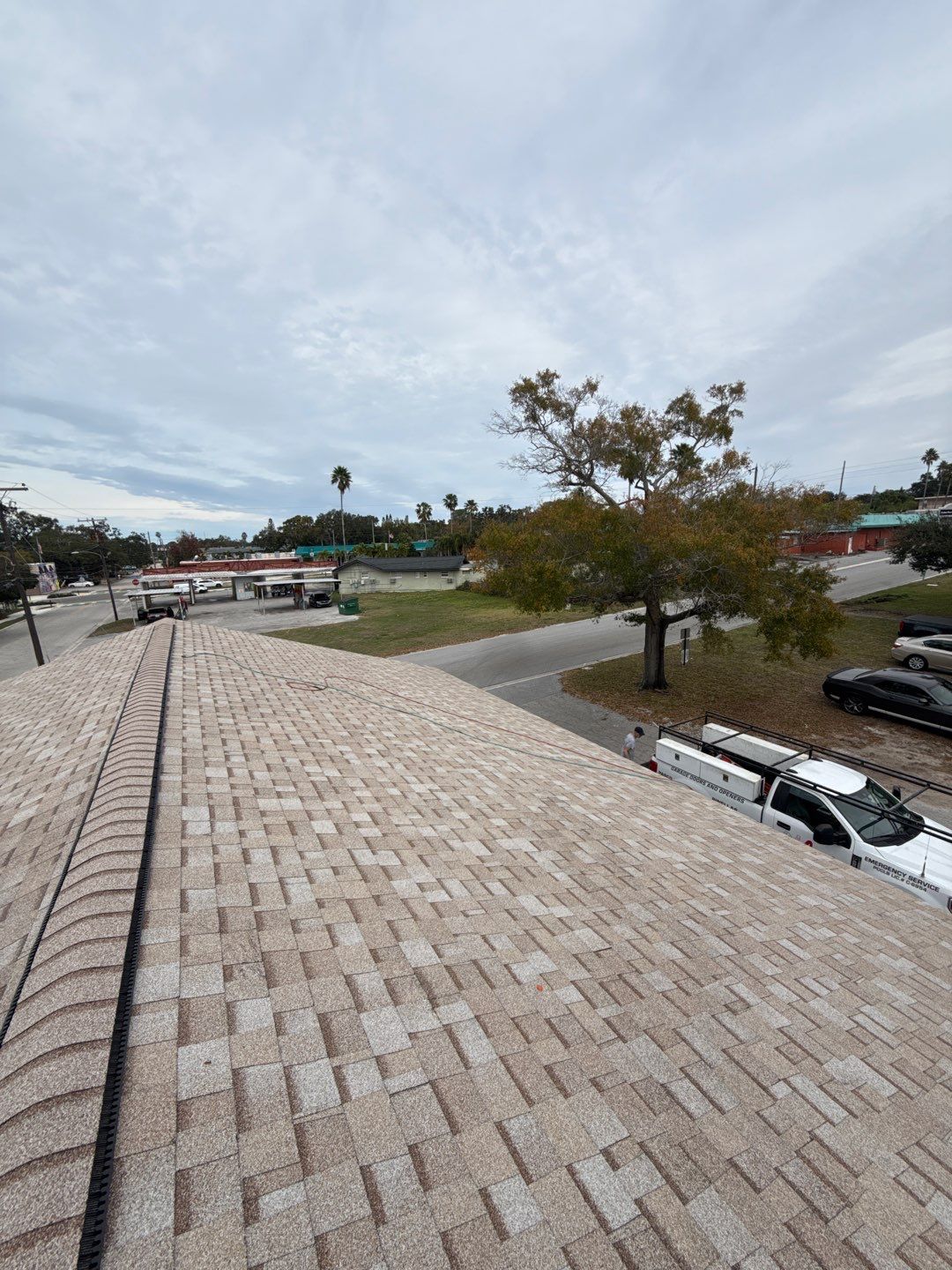
Roof problems rarely start with a dramatic leak or missing shingles. Many begin as small changes that hide beneath the surface of the roof. Experienced roofing contractors in Clearwater, FL often find these issues long before homeowners realize anything is wrong.
A roof can look solid from the street while slow damage builds underneath the shingles and flashing. Moisture, heat, and past storms often leave behind subtle warning signs that most people never notice. Mitchell Roofing Company has seen how these quiet problems grow into expensive repairs when they go unchecked.
Here are hidden roof problems most homeowners never notice until it is too late.
Key Takeaways
- Many roof problems start quietly and stay hidden until serious damage appears.
- Small issues with shingles, flashing, and vents often turn into leaks over time.
- Spotting early warning signs helps prevent expensive roof repairs later.
Slow Granule Loss That Signals Shingle Breakdown
Granule loss rarely creates an obvious problem right away, which is why it often goes unnoticed for years. What starts as a thin layer of missing granules can slowly expose the internal materials that give shingles their structure and strength.
UV Exposure Weakens the Asphalt Core
Granules act as a barrier, reflecting sunlight and reducing heat absorption across the roof surface. When sections of granules wear away, the exposed asphalt begins to dry out and lose flexibility under constant UV exposure. Over time, that brittleness makes shingles far more likely to crack during temperature swings or strong coastal winds.
Water Begins Penetrating Micro-Fractures
As shingles lose flexibility, small fractures can form in areas that experience regular expansion and contraction. These tiny openings allow rainwater to work its way beneath the shingle layers even when the roof still appears intact. Moisture that enters this way often spreads across the underlayment and decking before any interior leak becomes visible.
Uneven Wear Creates Weak Sections Across the Roof
Granule loss rarely happens evenly across the entire roof surface. Certain slopes take the brunt of sun exposure, while others experience faster wear from wind-driven rain or debris movement. This uneven aging creates isolated weak spots that can fail suddenly during the next major storm.
Loose Step Flashing Along Roof And Wall Intersections
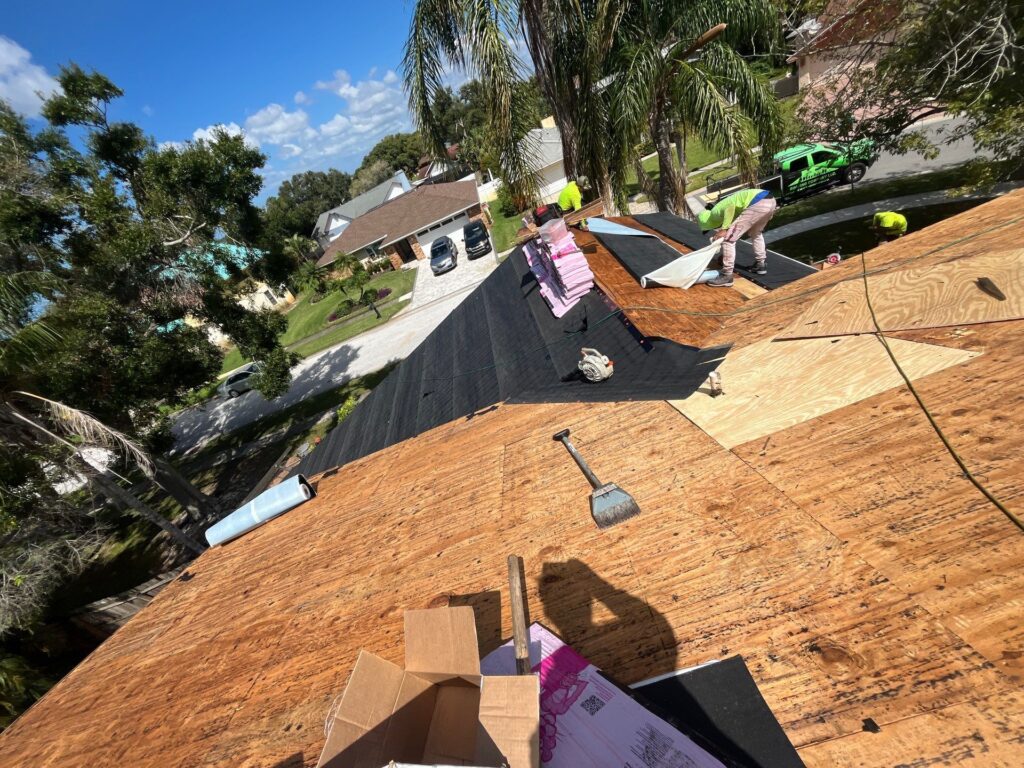
Roof leaks often begin in places homeowners rarely think to check. The line where a roof meets a wall faces heavy rain flow during Florida storms. Even a small shift in the flashing can leave a thin gap where water begins to slip under the roofing layers.
Each piece of step flashing should sit tightly between the shingles and the wall surface. Wind movement, heat expansion, and aging sealant can cause these pieces to loosen over time. Roofing contractors in Clearwater, FL often find this issue during inspections after storms pass through the area.
Water that enters at this joint rarely drips straight into a room. Moisture can travel along framing and roof decking before it shows up as a ceiling stain. Mitchell Roofing Company repairs these flashing layers so the roof and wall connection stays sealed during heavy rain.
Nail Pops Creating Hidden Water Entry Points
Some roof problems start with something as small as a nail working its way loose. A single raised nail can lift the shingle above it just enough to break the tight seal that keeps rain out. That tiny opening becomes an easy entry point for water during a storm.
Heat during the day and cooler temperatures at night cause the roof deck to expand and contract. Over time, that steady movement pushes certain nails upward through the shingle surface. Once the nail head rises, the shingle can no longer lie flat against the roof.
Water rarely pours through these spots right away. Instead, moisture seeps under nearby shingles and spreads across the decking. Roofing contractors usually resolve the issue by installing new fasteners and replacing the shingles that have lost their seal.
Attic Moisture Quietly Damaging Roof Decking
Many roof problems begin in the attic rather than on the shingles. Warm air from the living space rises and carries moisture into the attic area. That moisture settles on the underside of the roof deck when it meets the cooler wood surface.
Condensation forms quietly and often stays out of sight for long periods. The wood decking slowly absorbs that moisture and remains damp even on clear days. Soft spots can begin to develop as the wood fibers weaken.
Damage often spreads before any sign appears inside the home. Sections of the roof deck may start to sag between rafters as the structure loses strength. Roof inspections help locate these areas so damaged materials can be repaired or replaced before the roof surface begins to fail.
Cracked Pipe Boots Around Plumbing Vents
Small roof parts can create big problems when they wear out. The rubber boot that seals a plumbing vent pipe often takes direct sun all day. Years of heat slowly dry the rubber until small cracks begin to form.
Once the rubber splits, rain can slip through the gap around the pipe. Water follows the pipe downward and enters the roof structure. Damp wood and insulation can develop long before a stain appears on a ceiling.
Many homeowners never look closely at vent pipes during a roof check. The damage usually stays hidden until moisture spreads under nearby shingles.
Debris Buildup In Roof Valleys
Heavy rain moves across a roof in predictable paths. Water rushes toward the valleys where two roof slopes meet, and those channels carry most of the storm runoff. Leaves and small twigs often settle there and stay packed in place after the rain passes.
That pile of debris holds moisture long after the roof should have dried. Shingles in the valley stay damp and begin to wear faster than the rest of the roof. Small openings can form under the shingle edges as the trapped moisture slowly works its way underneath.
Many homeowners never realize anything is wrong because the valley still looks normal from the yard. Damage tends to spread quietly under the roofing layers before any interior signs appear. Mitchell Roofing Company clears blocked valleys and repairs the weakened roofing sections so rainwater can move off the roof the way it should.
Wind Lift Damage From Past Storms
Storm damage does not always leave obvious signs, such as missing shingles. Strong gusts can lift shingles just enough to break the adhesive bond that holds them tight to the roof. Once the wind passes, the shingle often settles back into place and hides the damage.
Here are hidden problems wind lift can create across a roof:
- Broken Adhesive Seal: Wind can loosen the adhesive strip that holds each shingle to the one below it. Once that seal fails, the shingle becomes easier to lift during the next storm, and water can slip beneath the roofing layers.
- Shingle Edge Curling: Slight lifting during high winds can weaken the edges of the shingle where the material bends the most. Over time, those edges may begin to curl upward and allow rain to reach the underlayment.
- Hidden Nail Exposure: Movement from wind pressure can shift the shingle just enough to expose the nail heads that were once covered. Exposed fasteners create direct pathways for water to enter the roof system.
- Gradual Layer Separation: Repeated wind events can loosen the connection between overlapping shingles. Small gaps between layers allow wind-driven rain to penetrate deeper into the roof structure.
Roof inspections after storms help reveal this type of hidden damage, which is why roofing contractors in Clearwater, FL often check for broken seals and lifted shingles before the next storm causes a leak.
Chimney Flashing Slowly Separating From The Roof
A chimney creates one of the most complex connection points on a roof. Roofing materials and brick expand at different rates when temperatures change during the day and night. That constant movement slowly pulls on the flashing that seals the joint.
Small gaps can begin to form where the flashing meets the chimney surface. Rain finds those openings and slips into the roof structure during storms. Moisture then spreads across the wood decking before any sign appears inside the home.
Ceiling stains often appear long after the problem begins. Water can travel through the framing and roof layers before reaching a visible area. Professional roof repair teams reseal or replace the flashing so the chimney and roof connection stays protected during heavy rain.
Underlayment Wear Beneath Aging Shingles
Most homeowners focus on the shingles they can see. A protective layer sits underneath them and helps block water during heavy rain. Years of heat and weather slowly wear this layer down.
Small tears can form as the material ages. Moisture can reach the wood decking once that barrier weakens. Roofing contractors in Clearwater, FL often discover this hidden damage during roof inspections. Mitchell Roofing Company repairs the affected sections and installs new protective layers to strengthen the roof.
Curling Shingles Creating Water Gaps
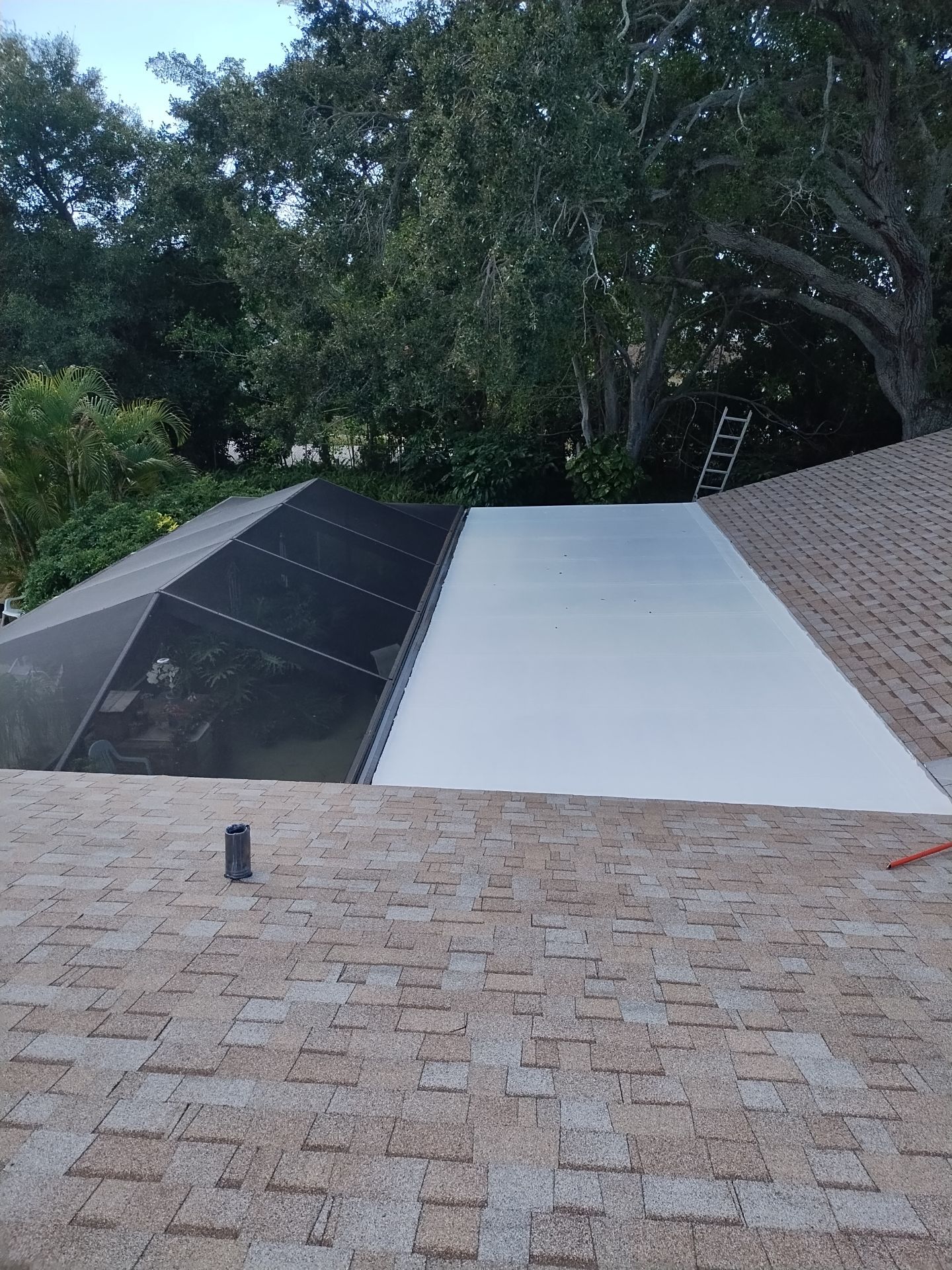
A roof can begin to fail in quiet ways that homeowners rarely notice at first glance. Shingles that start to curl along the edges create small openings that change how water moves across the roof surface.
Sun Exposure Weakens Shingle Structure
Years of strong sunlight slowly break down the oils inside asphalt shingles. As those oils dry out, the material loses flexibility and begins to stiffen. Stiff shingles cannot lay flat against the roof, allowing their edges to lift and form openings where moisture can accumulate.
Wind Pressure Pushes Rain Beneath Roofing Layers
Lifted shingle edges change the way wind moves across the roof during storms. Air pressure can force rain under those raised sections rather than letting it flow off the surface. Once water reaches the layers below, it can spread across the roof deck before any interior sign appears.
Uneven Roof Surfaces Increase Long-Term Wear
Curled shingles create an uneven roof surface that disrupts normal water flow. Rain can slow down in these areas and collect along the lifted edges instead of draining away. Over time, repeated exposure to trapped moisture speeds up the breakdown of nearby shingles and roofing materials.
We Can Diagnose and Fix Your Roofing Problems
Roof damage often starts small and stays hidden for a long time. Many homeowners do not notice these issues until water begins to enter the house. Mitchell Roofing Company can inspect the roof, identify the problem, and repair the damaged areas before the issue spreads.
Frequently Asked Questions
What are early signs that a roof problem is developing?
Many roof problems begin with subtle clues, such as loose granules in gutters, lifted shingles, or small flashing gaps. These warning signs often appear long before a leak forms inside the home.
Can a roof look fine but still have hidden damage?
Yes, a roof can look normal from the ground while damage develops beneath the shingles. Moisture, loose fasteners, or cracked sealant can slowly weaken roofing layers without obvious exterior signs.
Why do small roof problems turn into major repairs?
Water rarely stays in one place once it enters a roof. Even a small opening can allow moisture to spread across decking and framing, which makes the damage grow over time.
How do shingles fail without falling off the roof?
Shingles often fail when their seal breaks, edges curl, or small cracks form across the surface. These changes allow wind-driven rain to slip underneath the roofing layer and reach the materials below.
Where do hidden roof leaks usually start?
Many hidden leaks begin around roof penetrations such as vents, flashing joints, and valleys where water naturally flows. These areas face constant weather exposure and often develop small openings over time.