



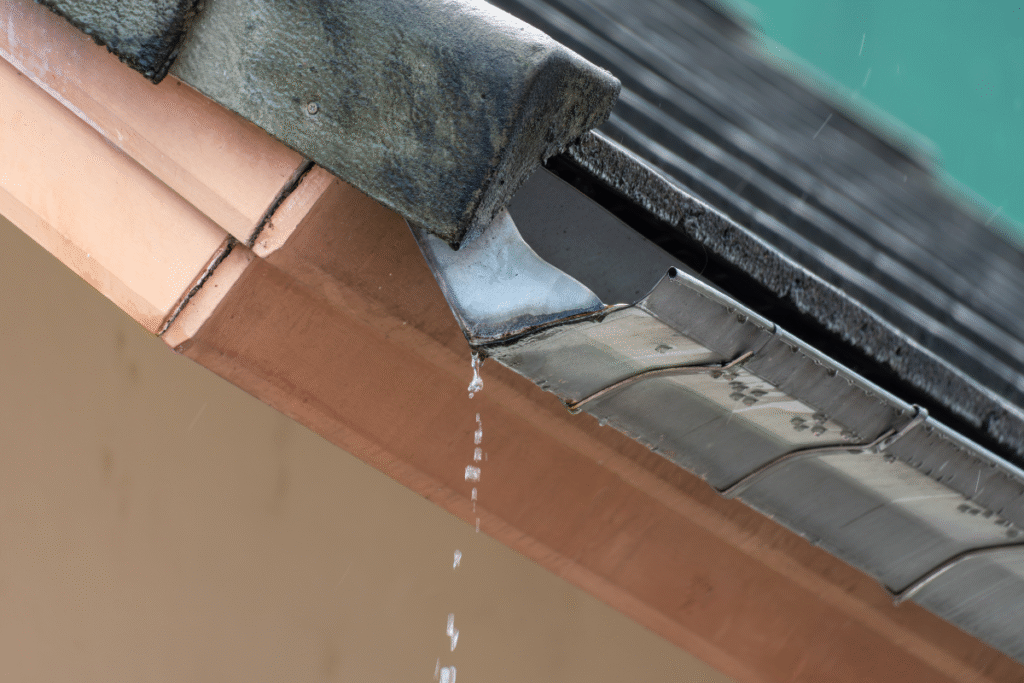
Winter moisture slips into roofs in ways many homeowners never expect. Cool air and damp conditions settle into weak points and start slow changes. These shifts often appear without a major storm.
Hidden moisture collects in tight spaces where surfaces stay wet for too long. Roofing contractors in Tarpon Springs, FL, see how winter weather creates pockets of damp air that weaken shingles and decking. Small amounts of moisture affect the layers under the surface.
These conditions build as humidity rises, temperatures drop, and airflow slows. Damp surfaces and aging parts break down in ways you cannot see until the damage grows.
Here is a clear look at what happens inside your roof during the cooler season.
Key Takeaways
- Winter moisture often accumulates in quiet areas of the roof, where cool air and trapped dampness combine to weaken materials.
- Hidden layers inside the roof can shift, soften, or collect residue long before any leak becomes obvious.
- Small patterns of humidity and temperature change can create steady wear that homeowners rarely notice until it spreads.
Moisture Rising Through Warm Indoor Air
Warm indoor air rises and carries moisture into the roof layers. The vapor reaches cool surfaces and begins to weaken the deck from the inside.
How Heat Movement Pushes Moisture Upward
Warm air lifts water from daily tasks such as showers and cooking. The vapor slips into attic gaps where temperatures shift. This steady rise leaves thin layers of moisture across roof materials.
Why Cooler Roof Zones Become Moisture Traps
Cold zones slow drying and hold moisture longer than nearby sections. These spots collect water each time indoor air rises. The trapped moisture starts chemical changes that weaken wood fibers.
How Vent Paths Shift Moisture Patterns
Weak vent paths reduce airflow and hold vapor in place. Slow air movement allows moisture to accumulate in corners with poor circulation. These areas are repeatedly exposed, which adds stress to the roof decking.
When hidden moisture begins to affect the roof surface, many homeowners call Mitchell Roofing Company. We repair, maintain, and replace roofs when the structure shows clear signs of strain.
Deep Fiber Swelling Inside Aging Wood
Winter moisture slips into older wood and settles deep inside each fiber. The wood swells as the fibers take in more water. This slow change weakens the load path that supports the roof.
Aging wood reacts strongly when moisture stays in place. Fibers expand in uneven patterns and push against surrounding layers. Roof decking loses strength as these shifts continue through the season.
Experienced roofing contractors watch for early signs of fiber swelling. Small bends or soft spots signal trouble inside the structure. Timely repairs protect the deck and keep the roof stable.
Salt Rich Condensation Forming on Metal Connectors
Coastal air holds fine salt that settles on metal when winter moisture collects. Light condensation forms a thin film that reacts with the salt. This reaction accelerates corrosion in small but crucial support points.
Metal connectors face steady wear when moisture returns each day. The salt-filled film breaks down the surface and creates small rough spots. Weak areas spread outward and place pressure on nearby parts.
Waterfront homes are more frequently affected by this issue due to higher salt levels in the air. Roofing contractors clean the metal to remove the salt-filled layer before deeper corrosion sets in. Protective coatings add a barrier that keeps the surface stable through the cooler season.
Why Does My Roof Feel Damp Even When It Has Not Rained?
Your roof feels damp because humid winter air sticks to cold surfaces and leaves moisture behind. The damp layer settles on shingles and slowly moves into the underlayment. Cooler days allow moisture to stay in place longer than most people expect.
Roofing contractors in Tarpon Springs, FL, see this pattern in homes across the area? Humid air slips through small gaps and spreads moisture across hidden layers. Mitchell Roofing Company repairs these weak spots and protects the roof before the surface softens.
Need support with moisture-related roof issues? Hire the roofing contractors at Mitchell Roofing Company for dependable roof care.
Fungal Threads Moving Through Damp Roof Decks
Cool weather gives certain fungi the thin layer of moisture they need to begin growing. Fine threads slip into small openings in the deck and reach deeper fibers. Wood strength drops as these threads move farther through each layer.
Moist spots inside the deck create steady pathways for fungal growth. Short periods of dampness give fungi enough time to attach and spread. These early stages stay hidden until the fibers start to weaken.
Professionals remove surface growth before it reaches deeper sections. Roofing contractors apply treatments that block the spread of fungi during cool months. These steps protect the deck and lower the risk of long-term damage.
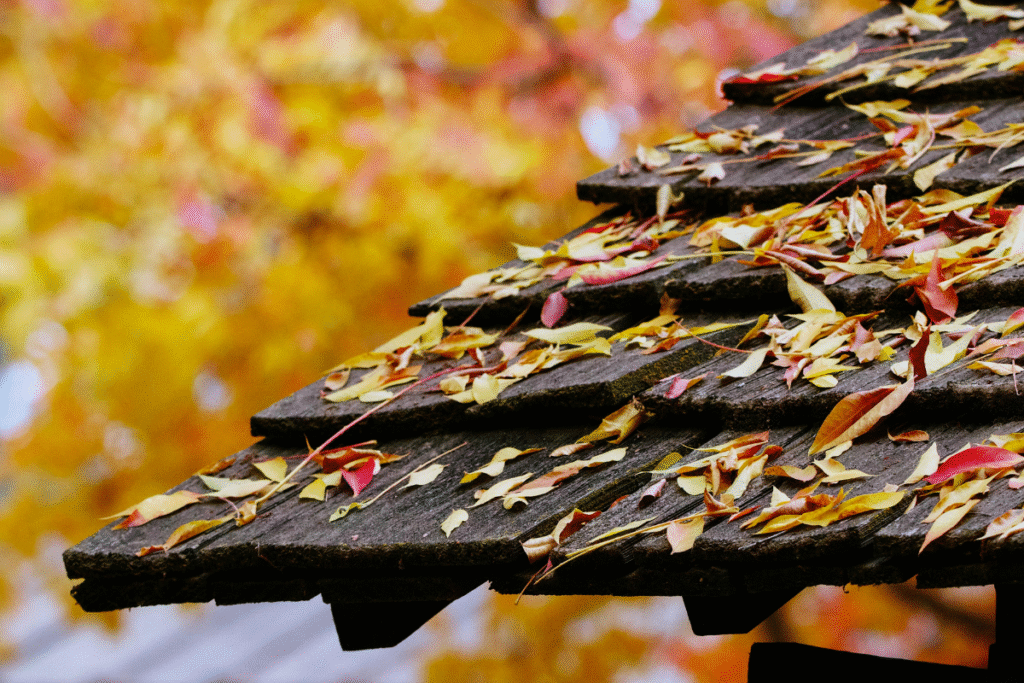
Cold Shingles Acting as a Magnet for Vapor
Cold shingles pull vapor out of warm indoor air and hold it against the surface. The vapor turns into droplets and creates a wet layer under each shingle. This moisture puts steady pressure on the roof through the colder months.
The points below show how the problem grows:
- Thermal Pull Effect: Cold shingles grab vapor the moment warm air reaches the roof. The temperature shift forces moisture to settle and stay close to the surface.
- Slow Drying Zones: Shaded sections stay colder for long periods. These areas hold droplets in place and prevent the roof from drying too quickly.
- Vapor Path Shifts: Small attic gaps guide vapor toward the coldest areas. Uneven airflow leaves moisture trapped in tight pockets.
- Surface Breakdown Cycle: Repeated condensation loosens the bond between shingles and decking. Roofing contractors in Tarpon Springs, FL, see these weak points turn into early wear.
Moisture becomes a real threat when cold surfaces meet rising vapor, and Mitchell Roofing Company works to stop that damage before it spreads.
Soft Edges Around Old Vent Pipes
Old vent pipes pull in winter moisture along the edges where the seal has worn down. A damp ring forms and slowly softens the deck under the pipe. The gap widens as the wood weakens and loses its firm shape.
Moisture gathers faster when the pipe boot ages and breaks apart. Small openings let cold air mix with warm air from the attic. This mix leaves a wet zone that spreads around the pipe base.
A roofing contractor is able to replace worn pipe boots before the damage grows. Fresh sealant blocks moisture and keeps the deck firm. These repairs protect the roof and stop water from slipping through weak spots.
Moisture Tracking Along Hidden Nail Lines
Winter moisture moves along hidden nail lines and settles in narrow paths under the shingles. These thin tracks hold dampness long enough to weaken the underlayment. The damage often forms in straight lines that match each nail row.
Shingles shift slightly during cold weather and let moisture slip through tiny gaps. The damp paths grow longer as the season stays cool. A roofing contractor lifts the shingles in these areas and seals each row so moisture cannot follow the same route again.
Underlayment That Sinks After Long Cool Spells
Underlayment pulls in moisture during long, cool spells and loses its firm shape. The material sags between rafters and leaves shallow pockets. These pockets collect more moisture and increase the likelihood of the roof failing prematurely.
Soft underlayment creates space for leaks once the surface gets heavy with damp air. Small openings form along the seams as the material sinks. Water follows these weak spots and reaches the deck faster than most homeowners realize.
Mitchell Roofing Company replaces soaked sections before the damage spreads. Stronger underlayment keeps a tight fit and blocks moisture from settling. These upgrades help the roof stay stable during cooler months.
Winter Humidity Sneaking Through Ceiling Gaps
Small gaps around ceiling fixtures let warm indoor moisture drift into the attic during cool months. The vapor hits cold wood and leaves soft spots that grow even without rain.
Ceiling Openings That Invite Moisture In
Ceiling fixtures shift over time and create thin cracks around their edges. Warm air slips through these cracks and rises into the attic each day. Moisture forms on contact and starts to damage in spots that stay hidden.
Cold Attic Surfaces That Hold Water
Attic wood cools faster than the air inside the home. Vapor settles on these cold surfaces and forms a light wet film. The wood weakens when this routine repeats through winter.
Trapped Air That Makes Dampness Stick
Poor attic airflow keeps moisture from leaving the space. Certain corners stay damp for long periods and let water reach deeper layers. Roofing contractors in Tarpon Springs, FL, often observe this pattern, causing early wear in older roofs.
Dark Spots Forming Under Shaded Overhangs
Shaded overhangs stay cool through winter and hold moisture longer than other roof areas. Dark spots appear when the dampness settles into the surface. These marks hint at trapped water that slowly pushes deeper into the material.
Soft patches form when the moisture stays in place day after day. The shaded sections never warm enough to dry out on their own. A roofing contractor cleans these areas and creates better drip paths, allowing water to move away instead of gathering.
Winter Moisture Weakening Adhesive Layers
Some shingles rely on adhesive strips that soften when cool air mixes with winter humidity. The weaker strips lose their grip and stop holding the shingles flat. Wind lifts these loose edges and leaves the roof open to more moisture.
Adhesive layers break down faster when the surface stays damp for long periods. Small gaps form under the shingles and let cold air slip through the rows. These openings grow wider as the season remains cool and the adhesive continues to soften.
Repair work often starts with heat that resets the bond before the damage spreads. A roofing contractor replaces worn sections with stronger material that holds firm through winter. These upgrades keep the shingles tight and protect the roof from deeper trouble.
Condensation Running Down Rafters And Pooling At Joints
Winter condensation slides along rafters and creates a thin wet trail. The moisture gathers at each joint where the wood meets. These pooled spots stay damp long enough to soften the structure.
Rafters cool faster than the attic air and pull moisture toward their lowest points. The water collects in small pockets that hide under insulation. Soft wood forms when the moisture sits in place through long, cool spells.
Our roofing contractors in Tarpon Springs, FL, adjust attic airflow so moisture leaves the space instead of settling at the joints. Better ventilation keeps rafters dry through winter weather. These changes protect the structure and keep the roof steady.
A Clear Path Forward With a Roofing Contractor in Tarpon Springs, FL
Winter moisture may seem subtle, but it leaves its mark once you know where to look. Mitchell Roofing Company can step in and help you address hidden problems before they turn into larger repairs. You can move into the cooler months with more confidence and a roof that is ready for what comes next.
Frequently Asked Questions
How does winter moisture start damaging my roof even when the weather seems calm?
Cool air and steady humidity can settle into tight spaces where your roof dries slowly. These small pockets of dampness weaken materials long before you notice surface damage.
What signs suggest that hidden moisture is building up inside my roof?
Soft spots, musty smells, and sudden changes in attic humidity often point to moisture that has been collecting over time. These clues show up before visible leaks.
Why does moisture linger in certain roof areas during winter?
Some parts of the roof hold cool air longer, which makes it harder for damp surfaces to dry. These spots trap moisture and create slow wear on shingles and decking.
How can winter moisture weaken my roof without heavy rain?
Moisture from the air alone can slip under shingles or into attic layers and stay there through the cooler months. This steady dampness affects the structure even without storms.
What helps stop winter moisture from spreading inside my roof?
Balanced airflow and timely repairs allow damp areas to dry faster and stay stable. A roofing contractor can guide you through the adjustments needed to keep moisture under control.