
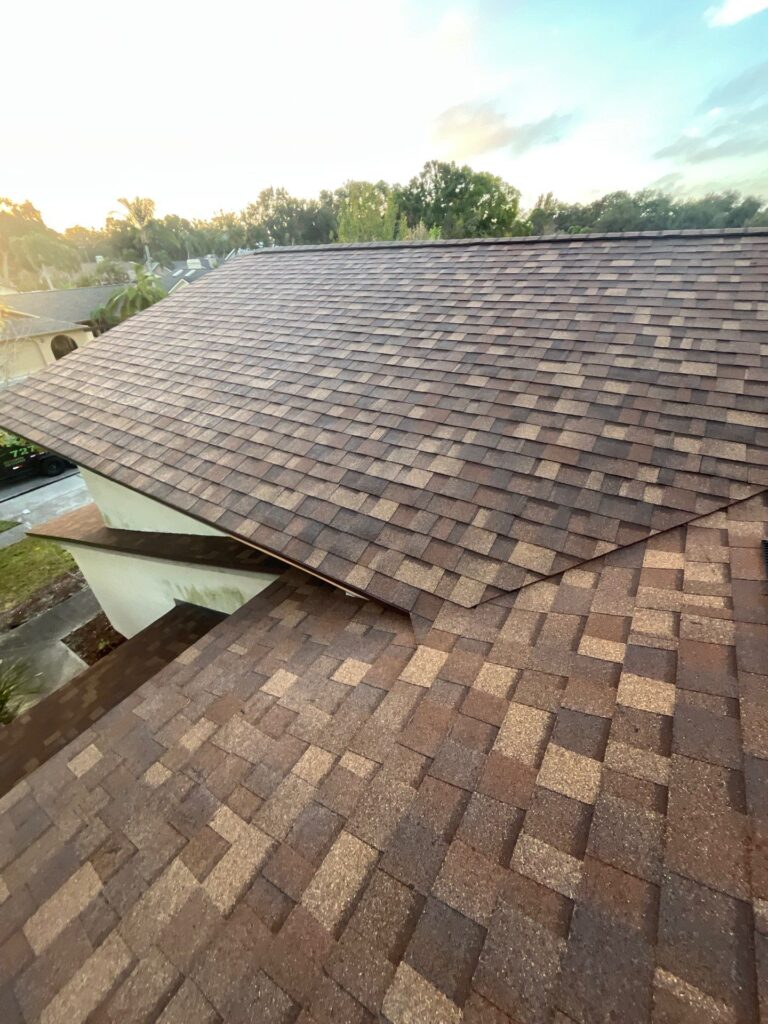
Most people don’t think about roof flashing until there’s a leak or a stain on the ceiling. It’s one of those things that quietly holds everything together, until it doesn’t. Flashing issues can spiral into serious damage that costs more than most homeowners expect.
In Florida, the combination of heavy rain, heat, and salty air wears roof flashing out faster. That’s why working with experienced roofing contractors in Palm Harbor, FL, like Mitchell Roofing Company, can save you a lot of stress. We understand how local weather slowly breaks down the hidden parts of your roof.
Read on to find out how ignoring flashing can lead to big, expensive problems you won’t see coming.
Key Takeaways
- Flashing problems don’t always show obvious signs, but they can quietly wreck everything from your attic to your foundation.
- Insurance claims, mold issues, and surprise repairs often trace back to one small leak that could’ve been caught early.
- A quick flashing fix now can save you from massive headaches, blown budgets, and serious home damage later.
Coastal Air Can Quietly Damage Your Roof
Living near the ocean has its perks, but the salty air in places like Pinellas County, FL, can be tough on your roof. Salt in the breeze slowly eats away at metal flashing, especially on older homes. As the flashing deteriorates, tiny gaps can form, allowing rainwater to seep through.
Water often sneaks in at roof joints and valleys where flashing is supposed to seal the edges. As corrosion gets worse, these weak spots grow larger and more dangerous. Most people don’t notice the damage until it starts showing inside the house.
Small leaks can lead to big problems if left alone. Regular roof checkups help catch early signs of salt damage before it spreads. A trusted roofing expert can spot trouble areas that are easy to miss from the ground.
Why Is Water Getting In If My Shingles Look Fine?
Even when shingles look brand-new, water can still seep in. Shingles protect the wide, flat areas of your roof, but they do not seal the joints and edges. Those sections rely on flashing, and once it wears down or shifts out of place, rain can move in quickly.
Tiny cracks or loose sections of flashing are easy to miss. Heavy Florida storms push water into these weak points again and again. Roofing contractors in Palm Harbor, FL often discover that flashing failure is the real cause behind interior leaks.
Shingles may look flawless, yet hidden gaps around vents, skylights, and valleys tell a different story. Flashing acts as the guard at these entry points, and when it fails, water follows. Regular inspections help catch these issues before they spread through your home.
Could damaged roof flashing be the real reason for your leak? Let the experts at Mitchell Roofing Company inspect your roof and fix the problem the right way.
Mold Loves Neglected Roofs
Even a small roof leak can set the stage for mold growth, especially in Florida’s hot, humid climate. When flashing fails and moisture slips into attics or wall cavities, mold often starts to grow without anyone noticing. These quiet, dark spaces give it everything it needs to spread fast.
Most homeowners don’t catch it early because mold hides well behind drywall and inside insulation. It often goes unnoticed until there’s a musty smell or visible stains, which means it’s already had time to grow. What began as a simple roof issue can quickly turn into an expensive and unhealthy mess.
Mold isn’t just a nuisance. It affects indoor air and can trigger breathing problems, especially in kids and older adults. Keeping flashing in good shape helps stop leaks before they lead to mold and damage inside your home.
Roof Rot Isn’t Just a Northern Problem
Snow isn’t the only thing that causes roof rot. In Florida, constant rain and thick humidity create perfect conditions for moisture buildup, especially when flashing fails to do its job.
How Moisture Reaches the Roof Deck
Rainwater doesn’t need a wide opening to get through. Even a small gap in damaged or aged flashing can let moisture seep beneath shingles and pool on the roof deck. Once that water sits, the wood underneath begins to soften and weaken from the inside out.
The Hidden Cost of Delayed Repairs
Rot tends to stay out of sight until it’s widespread, which makes it expensive to fix. What could have been a small flashing repair turns into replacing large sections of roof decking. Labor and material costs climb fast when the damage spreads beyond the surface.
Why Florida Roofs Are More Vulnerable
High humidity means wood doesn’t dry quickly after getting wet. Add in sudden downpours and hurricane-driven rain, and Florida roofs take a beating year-round. Older homes with outdated flashing are especially at risk for long-term moisture exposure.
Spotting Trouble Before It Grows
Rot doesn’t always show obvious signs like leaks or stains. A roof may look fine from the outside while moisture quietly eats away at the structure underneath. Routine inspections by a qualified roofing professional are the best defense against unexpected and costly repairs.
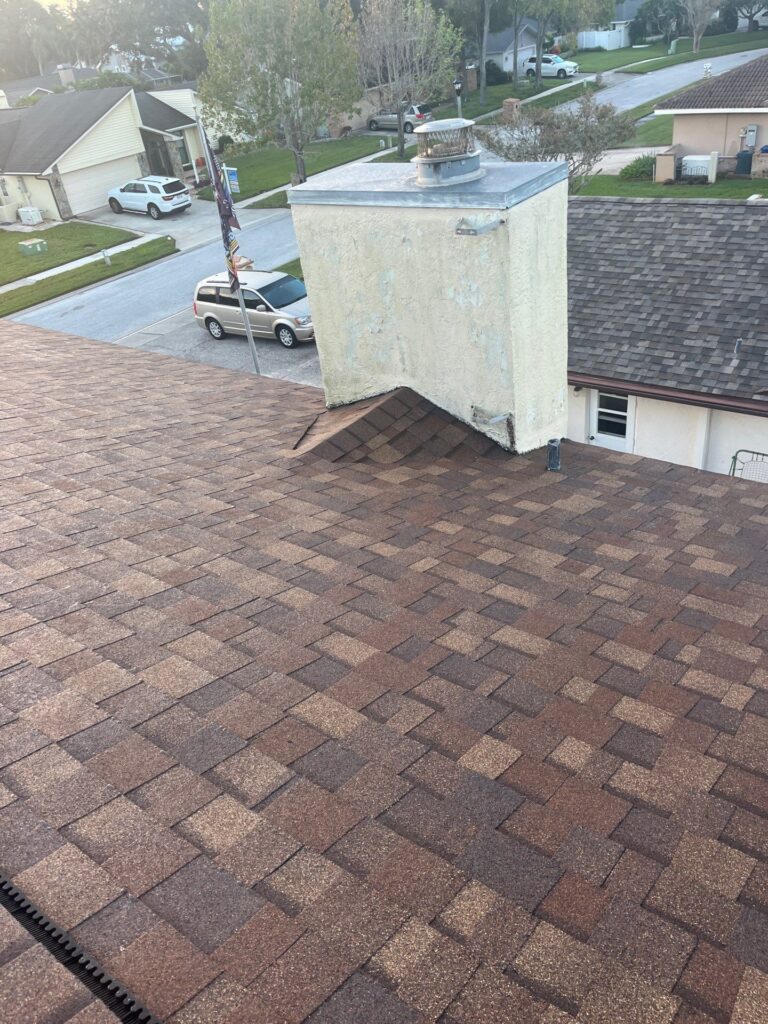
Flashing Failure Can Fry Your Wiring
Water getting through bad flashing can do more than damage wood or insulation. It can travel across beams and drip near wires hidden in your attic. When that happens, your home faces a serious fire risk most people never see coming.
Florida homes often have wiring near attic fans, AC units, or light fixtures that run day and night. If moisture reaches those areas, even a small leak can cause sparks or short circuits. Many electrical issues linked to roof leaks go unnoticed until they cause real danger.
A roof leak doesn’t have to be big to create a wiring hazard. Wet electrical boxes, outlets, and connectors can become unsafe very quickly. Ensuring your flashing is secure helps protect both your roof and your wiring.
Can Bad Flashing Really Affect My Home Insurance?
A roof leak caused by damaged flashing might do more than harm your home. Insurance companies often closely review roof conditions, especially in high-risk areas like Florida. If flashing issues are seen as neglect, your claim could be reduced or denied.
Roofing contractors in Palm Harbor, FL often see homeowners surprised when insurance doesn’t cover water damage from long-term leaks. Preventing that starts with regular maintenance and quick repairs. Mitchell Roofing Company can help you stay ahead of these risks and keep your coverage intact.
A Small Roof Leak Can Lead to Big Foundation Trouble
Most people don’t think twice about how roof leaks might affect their home’s foundation. But when water slips past damaged flashing, it doesn’t always stay in the attic or ceiling. It can travel down inside walls, ending up in the soil that supports your house.
Florida’s sandy ground already shifts easily, and when that soil stays wet, it starts to lose its grip. Over time, the constant moisture around your foundation can lead to settling and cracking. You might notice uneven floors or doors that stop closing right, all from a leak that started way up on the roof.
What seems like a small flashing issue can quietly cause damage far below where anyone’s looking. Once the foundation moves, repairs get much more complicated and expensive. Catching these problems early with a simple flashing fix can help protect your entire home from the ground up.
Hurricanes Find Weak Flashing Fast
Storm season has a way of exposing the smallest weaknesses in a roof. In Florida, high winds often target flashing first because it sits at the edges and seams where pressure builds the most. A loose section or aging seal can give wind just enough access to start lifting materials above it.
Here is what strong winds are really looking for:
- Edge Separation: Once flashing along roof edges begins to lift, wind pushes beneath the shingles, creating upward pressure. That pressure spreads across the roof surface and can tear away large sections in a short time.
- Vent and Pipe Vulnerabilities: Flashing around vents and pipes often uses rubber boots or sealants that degrade over time. Wind-driven rain enters through these small gaps and weakens the decking beneath before the storm has even passed.
- Valley Pressure Points: Roof valleys handle heavy water flow during storms and depend on tight flashing seals. If those seams are compromised, rushing rainwater and wind combine to force moisture deep under surrounding materials.
- Fastener Fatigue: Nails and fasteners used to secure flashing can loosen over time due to heat and expansion. Gusts exploit that movement, widening gaps and allowing entire flashing sections to peel back under stress.
Strong flashing acts like armor at your roof’s most exposed seams, and keeping it secure can mean the difference between minor repairs and major storm damage.
Flashing Gaps Invite Pests
Gaps in roof flashing might seem small, but they can be a welcome mat for pests seeking shelter. In Florida, everything from ants to snakes can find their way through these openings during hot or rainy seasons. Once inside, they often go unnoticed until the damage is already done.
Rodents can chew through insulation and wiring, while insects create nests that spread quickly through attics and walls. Moist, hidden spaces near roof leaks are perfect for colonies to grow. These issues don’t just cause a mess, they often lead to expensive repairs and health concerns.
Roofing contractors in Palm Harbor, FL, know how quickly pest problems can start with a simple flashing issue. A proper inspection closes off easy entry points and keeps unwanted guests outside where they belong. Sealing your flashing helps protect both your roof and everything underneath it.
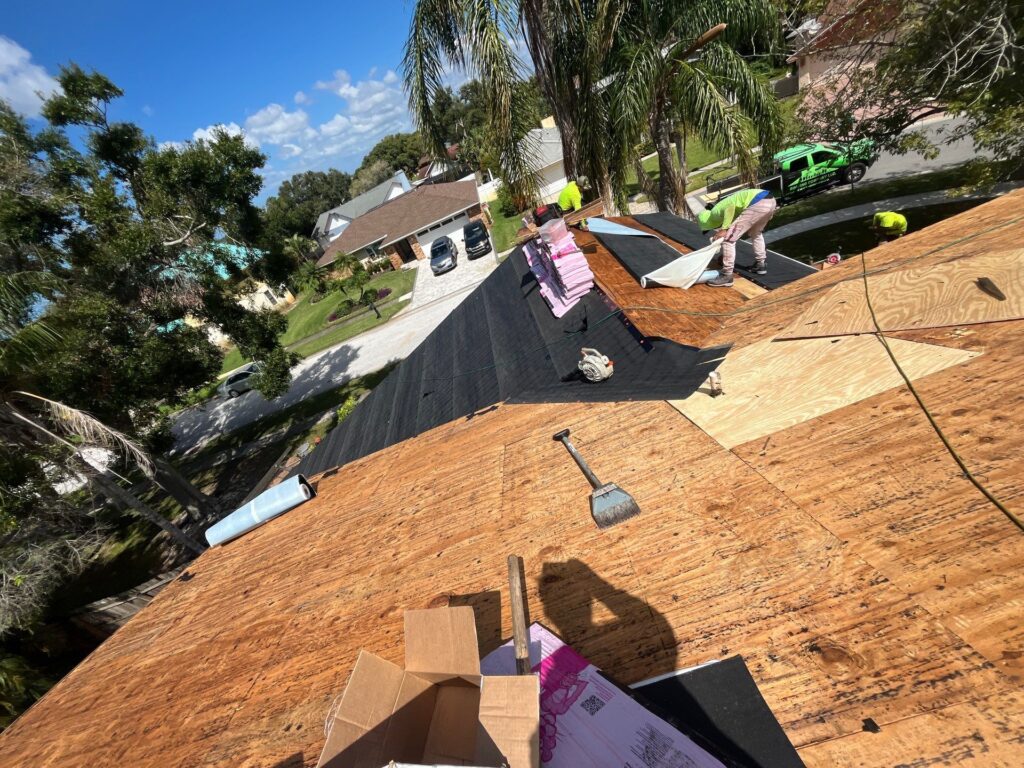
Flashing Damage Can Worsen Stormwater Runoff
When flashing starts to fail, rainwater no longer moves where it should. Instead of flowing into gutters and away from your home, it spills over roof edges and creates heavy runoff. Florida storms make this worse, especially when several inches of rain fall in a short time.
Runoff that hits the same areas over and over wears down soil and landscaping quickly. Foundations can weaken as water collects near the base of the home, and crawlspaces may begin to flood. These issues often start small but grow fast when ignored during rainy months.
Well-installed flashing helps direct rainwater into the proper drainage paths before it can cause damage. With regular upkeep, water stays away from vulnerable areas around your home. Flashing repairs may seem minor, but they make a big difference when storms roll through.
Address Your Flashing Problems With the Help of Our Roofing Contractors in Palm Harbor, FL
Flashing issues might start small, but they don’t stay that way for long. Mitchell Roofing Company spots the problems most people miss before they turn into major repairs. Contact us now for help!
Frequently Asked Questions
How do I know if my roof flashing is causing hidden damage?
You might not see obvious signs right away, but things like musty smells, peeling paint, or higher energy bills can be early clues. A quick inspection from a trusted roofer can reveal what’s going on before it gets worse.
Can flashing leaks really lead to foundation problems?
Yes, water from roof flashing leaks can travel down walls and saturate the soil around your home. Over time, that can shift or weaken your foundation, especially in wet or sandy areas.
What parts of my roof are most likely to have flashing problems?
Flashing tends to fail around chimneys, skylights, roof valleys, and vents where different materials or angles meet. These areas face the most stress from weather, movement, and water flow.
Does homeowners’ insurance cover damage to flashing?
It depends on the policy and whether the damage was caused by neglect or a sudden event. Many claims get denied if the flashing was clearly worn out and not maintained.
How often should roof flashing be inspected in Florida?
At least once a year is smart, especially with the heavy rain, humidity, and storm seasons. Catching small issues early can save thousands in repairs later on.